The understanding and protection of local and regional biodiversity represents one of the biggest challenges faced by the Hong Kong Government (as reflected in its Biodiversity Strategic Action Plan) as well as globally (Aichi Biodiversity Targets). Natural history museums in many regions of the world play a key role in efforts in promoting environmental understanding and appreciation of biodiversity, fostering its preservation as a part of mankind's natural heritage and by supporting scientific research on biodiversity. Cities like Hong Kong, located in a tropical region and a core biodiversity hotspot, can play a leading role in biodiversity preservation, enhancing knowledge and understanding of the threats they face, as well as highlighting their enormous cultural, aesthetic and economic benefits to humans. Yet, without a facility dedicated to such endeavours, this potential remains highly limited.
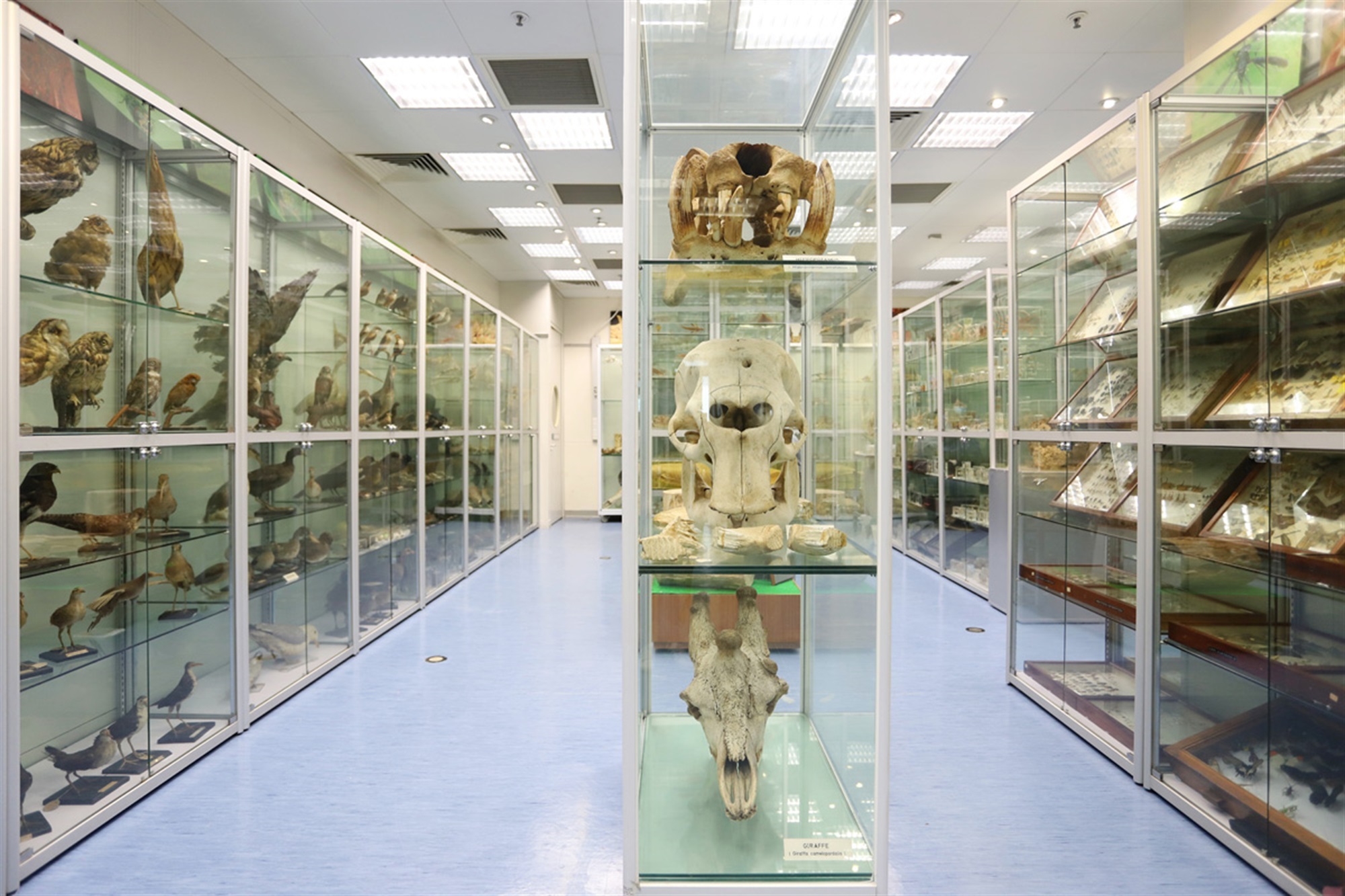
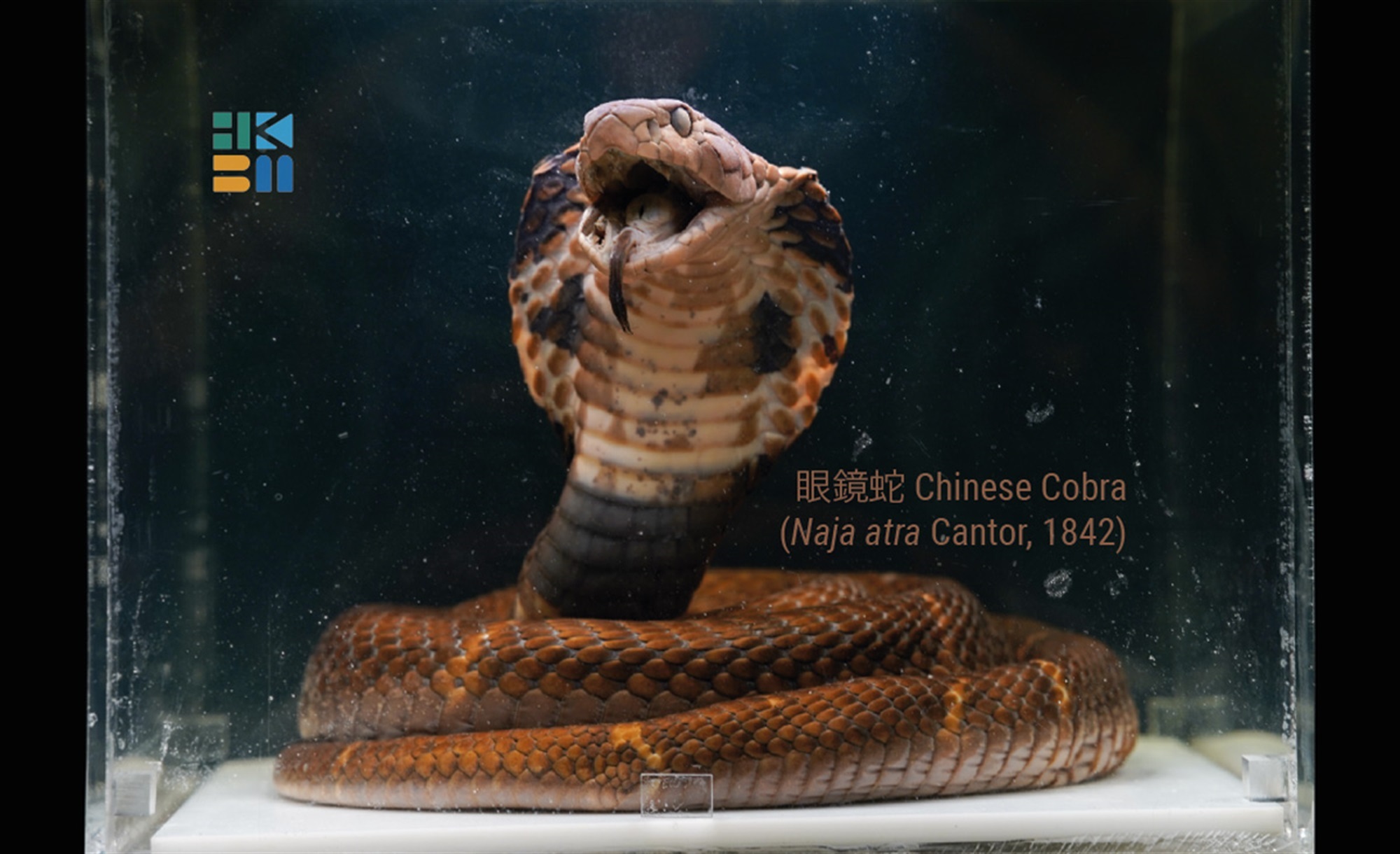
This project proposes the development and the scaling up of the largest biodiversity collection existing within Hong Kong and currently located within the Biodiversity Museum of the University of Hong Kong. The specimen collection of the museum contains several thousand species from the entire Tree of Life, including many rare species, which were mostly collected from the 1940's to 80's. Many of them would be impossible to replace due to their now threatened status or rarity. Unfortunately, left without curation for several years, the collection is now in need of efforts to ensure its long-term preservation as well as to increase its educational potential and impact through cataloguing and the addition of proper labelling and display settings. After completing this process, the collection will be opened to visitors using the extensive potential of the HKU campus, school invitations, and through a new website introducing the museum and its collection, with regular updates on species and relevant issues. Finally, the additions of new infrastructure and specimens originating from private donations will be sought to reinforce the educational and research activities of the Hong Kong Biodiversity Museum.
Objectives:
Education goals
- Enhance the educational potential of the museum collection for the public with particular focus on primary and secondary schools, as well as University students.
- Develop the existing collection through the inclusion of new specimens collected during research projects conducted by students and researchers, including 'type' specimens from newly described species, and integrate new material from external donations.
- Prioritise specimens displays based on the collection data available, quality of the specimens, topical issues, and educational importance of species
- Increase the number of annual visitors by providing guided tours and widely advertising the Museum.
- Develop an Internet interface introducing the Museum and its collection with regular updates featuring major species on display and providing useful educational materials on the species.
Scientific goals
- Update the current collection of the Museum using modern curation methods allowing for clear specimen display and increasing future research potential
- Create a database of all the specimens present in the collection with relevant information on their taxonomy, collection dates and localities
- Update the taxonomic and ecological information available for numerous important specimens present in collection.
*The Hong Kong Biodiversity Museum has been opened to visitors on 22 May 2021. For opening details, please visit https://www.hkbiodiversitymuseum.org/

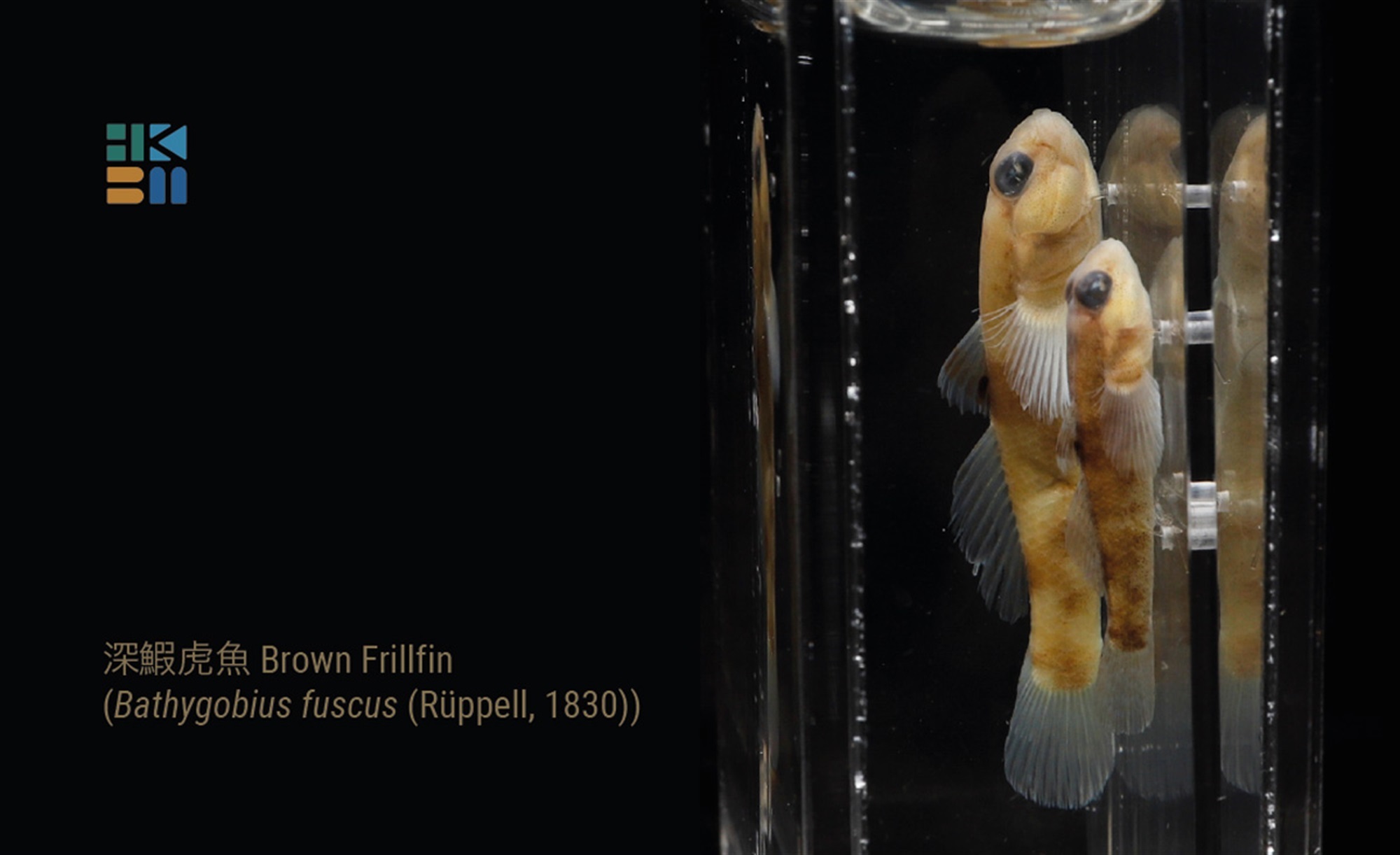
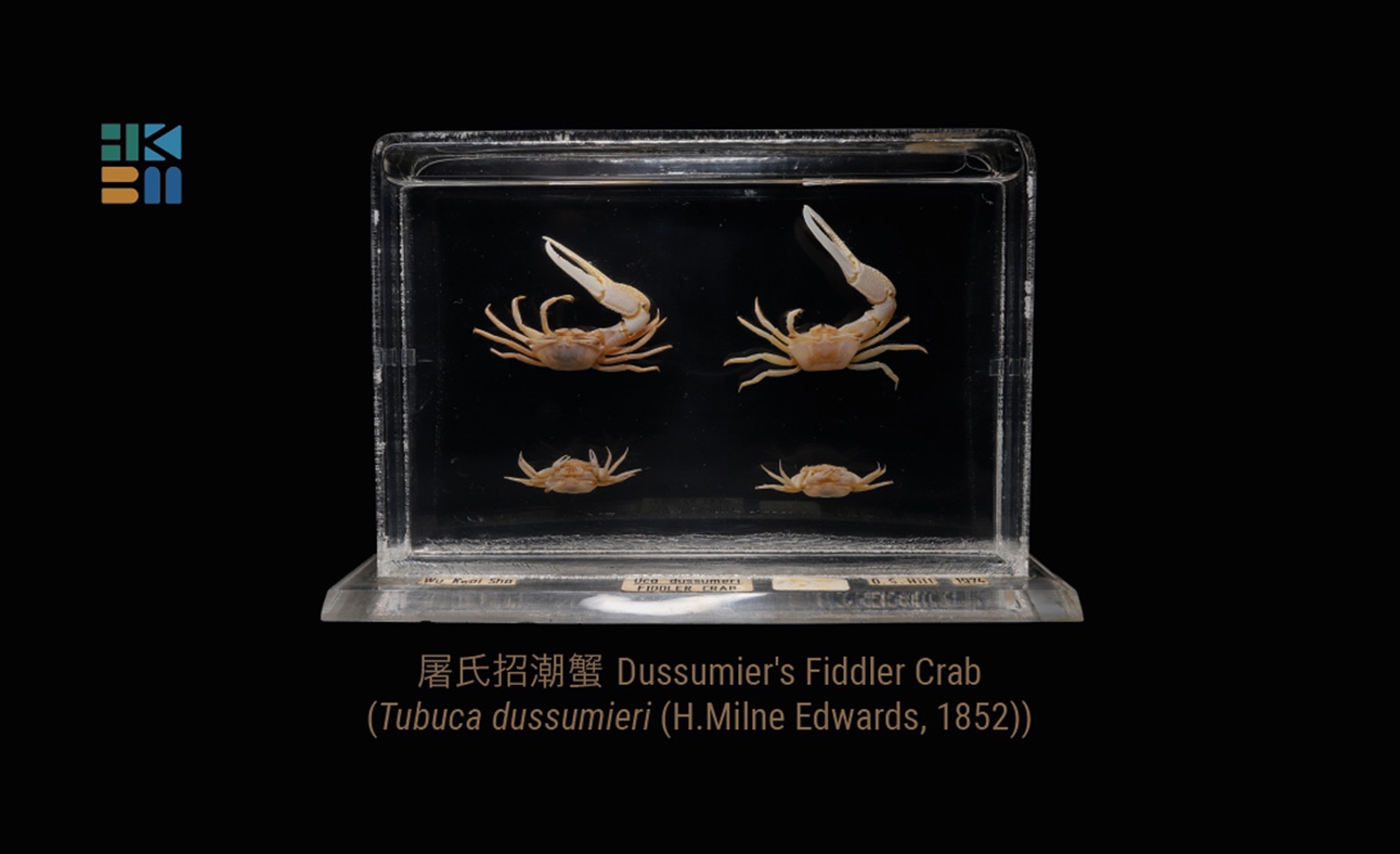
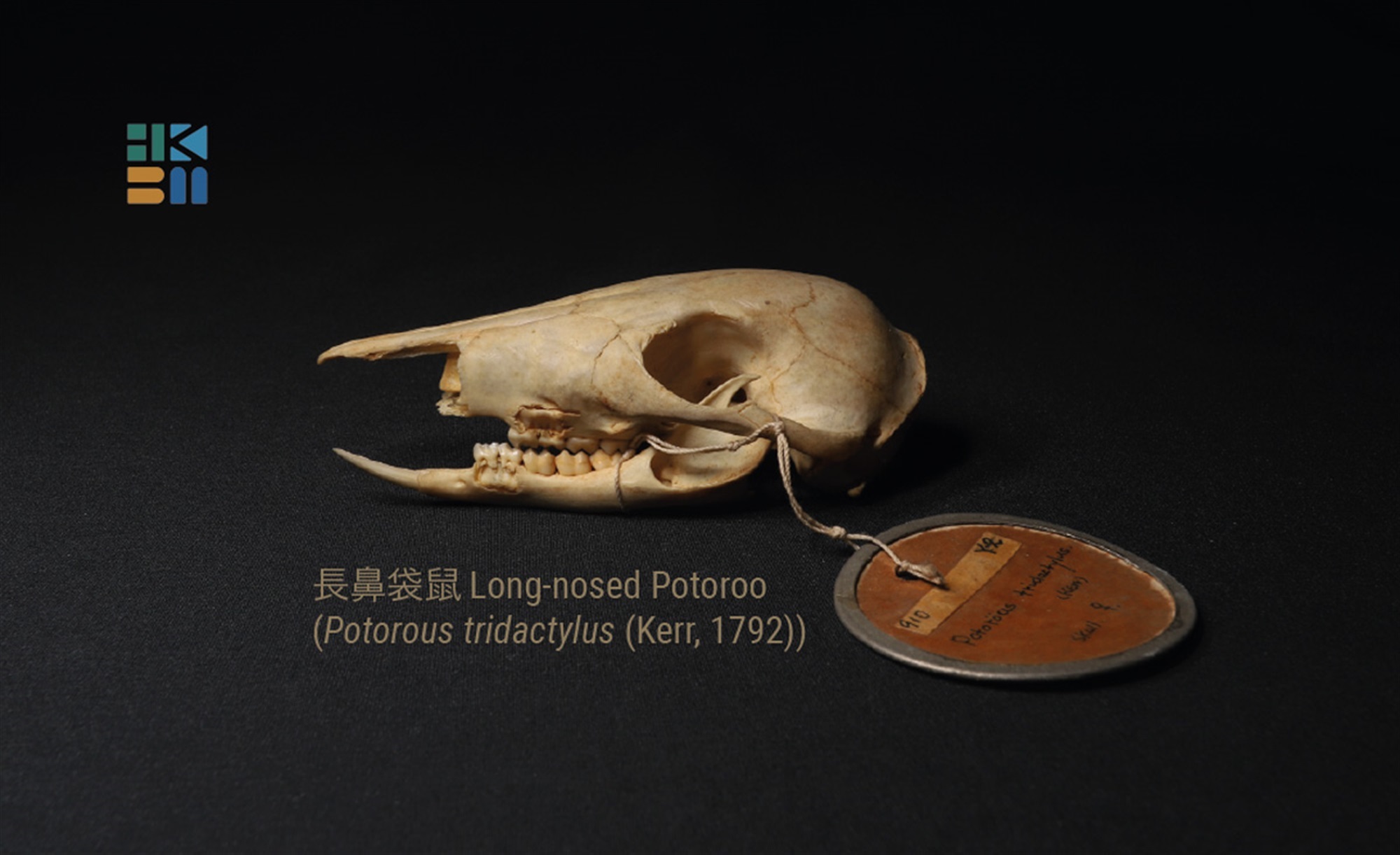
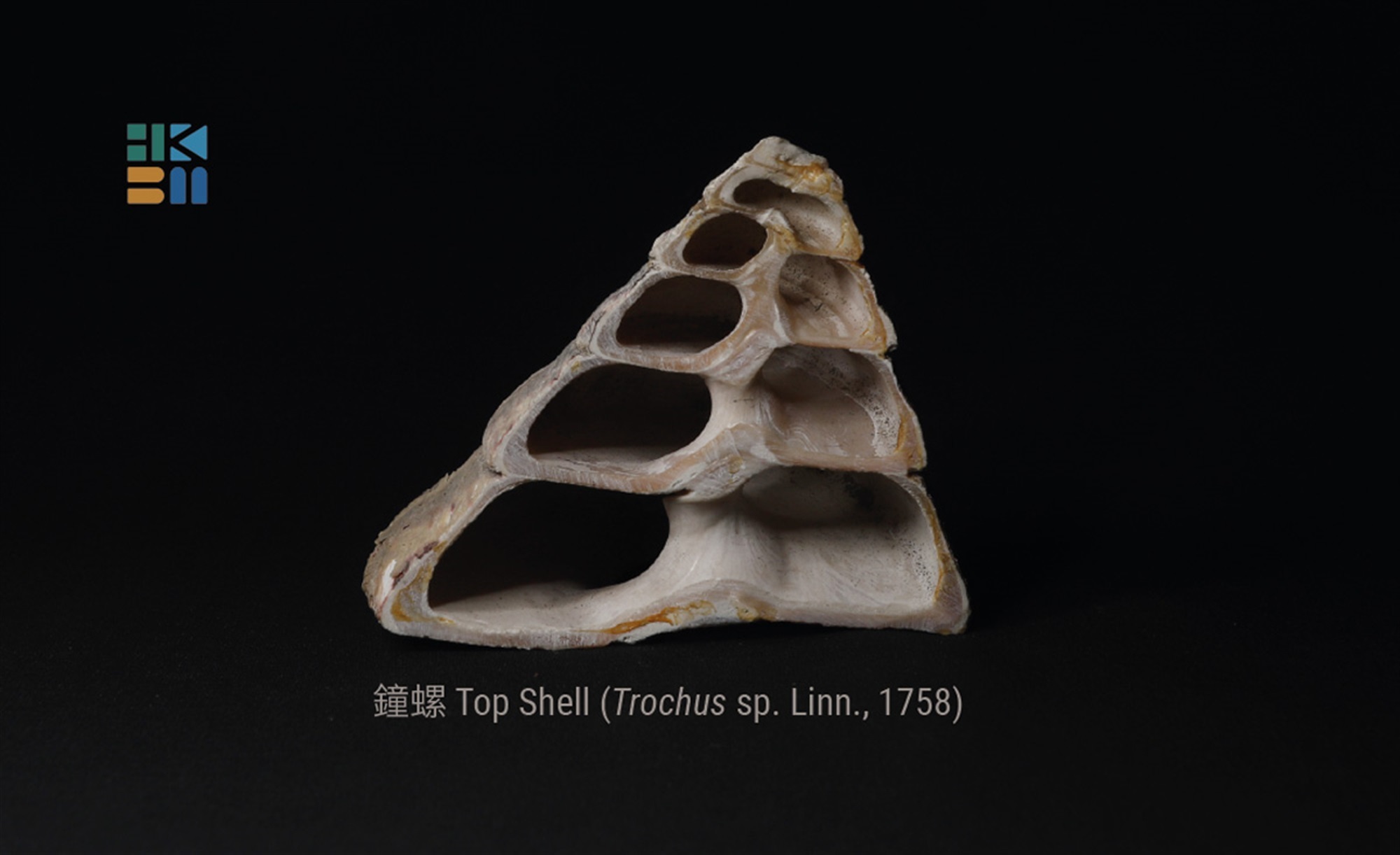
| Principal Investigator | Dr. Benoit GUÉNARD |
|---|---|
| Affiliation | School of Biological Sciences, The University of Hong Kong |
| Co-investigator | Professor Yvonne SADOVY |
| Period | 2020–2022 |
| Websites | https://www.hkbiodiversitymuseum.org/ https://www.facebook.com/hkbiodiversitymuseum/ |
| Funding Source | Environment and Conservation Fund – Environmental Education and Community Action Projects |
Information Source: Dr. Benoit GUÉNARD