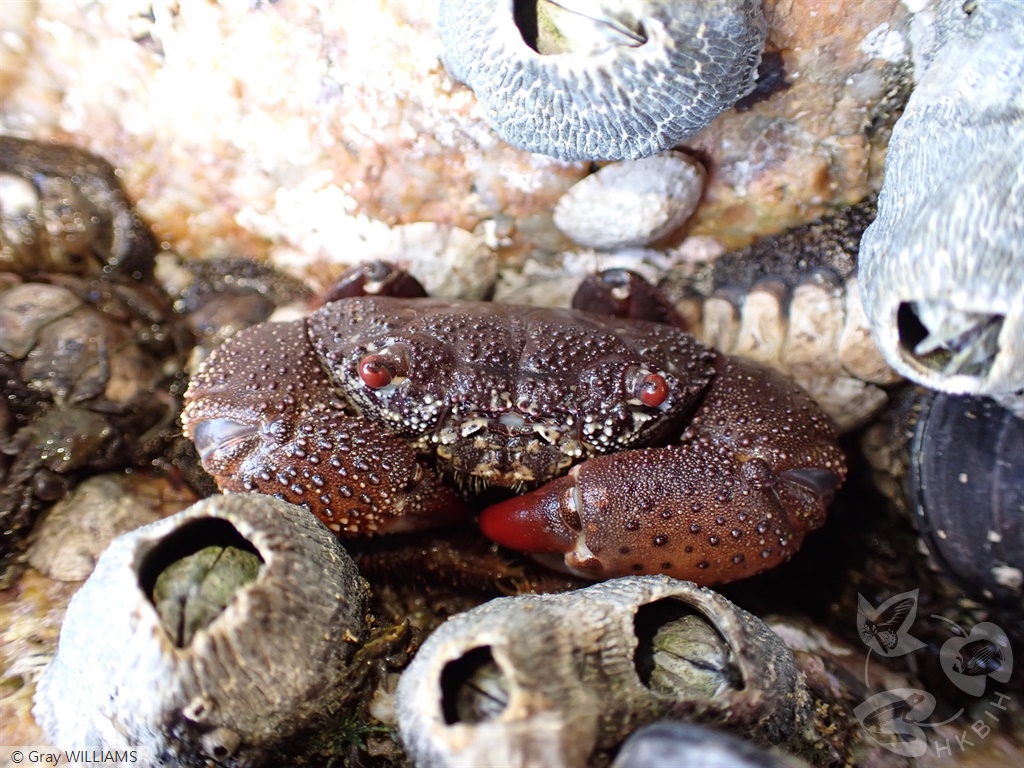
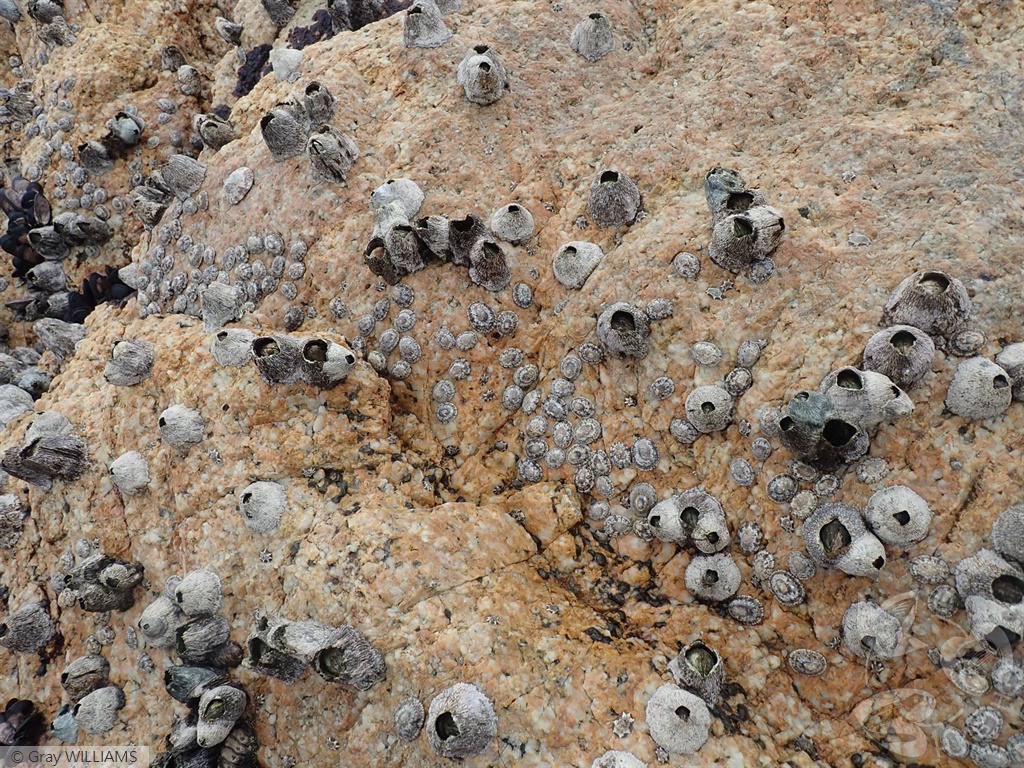
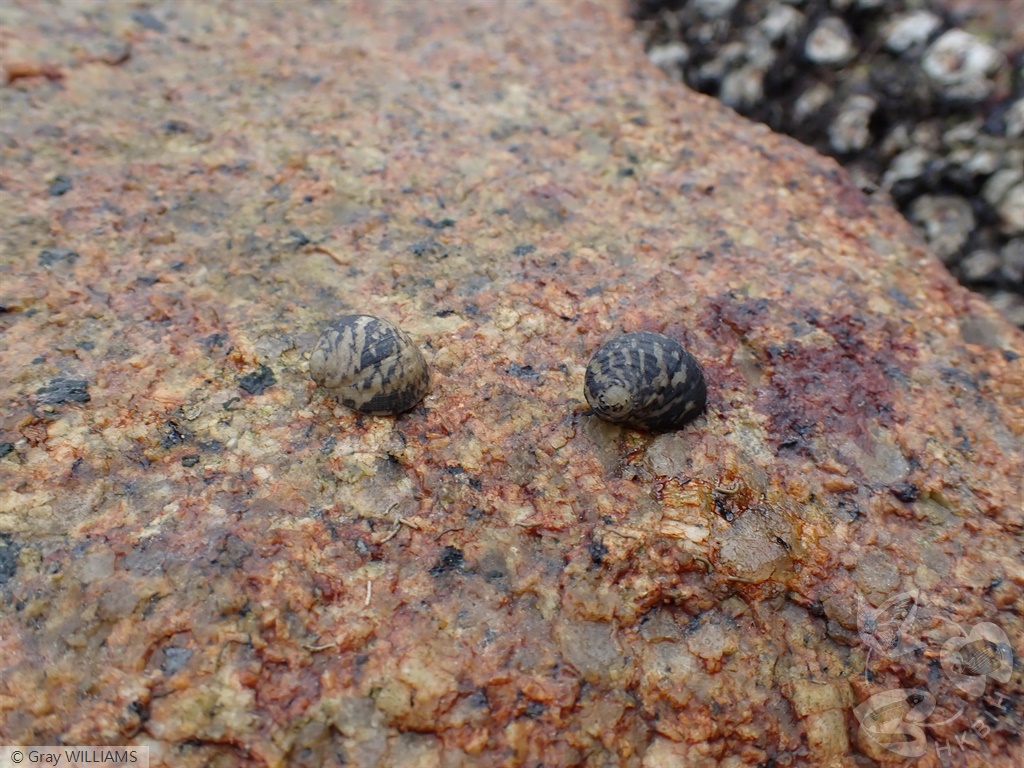
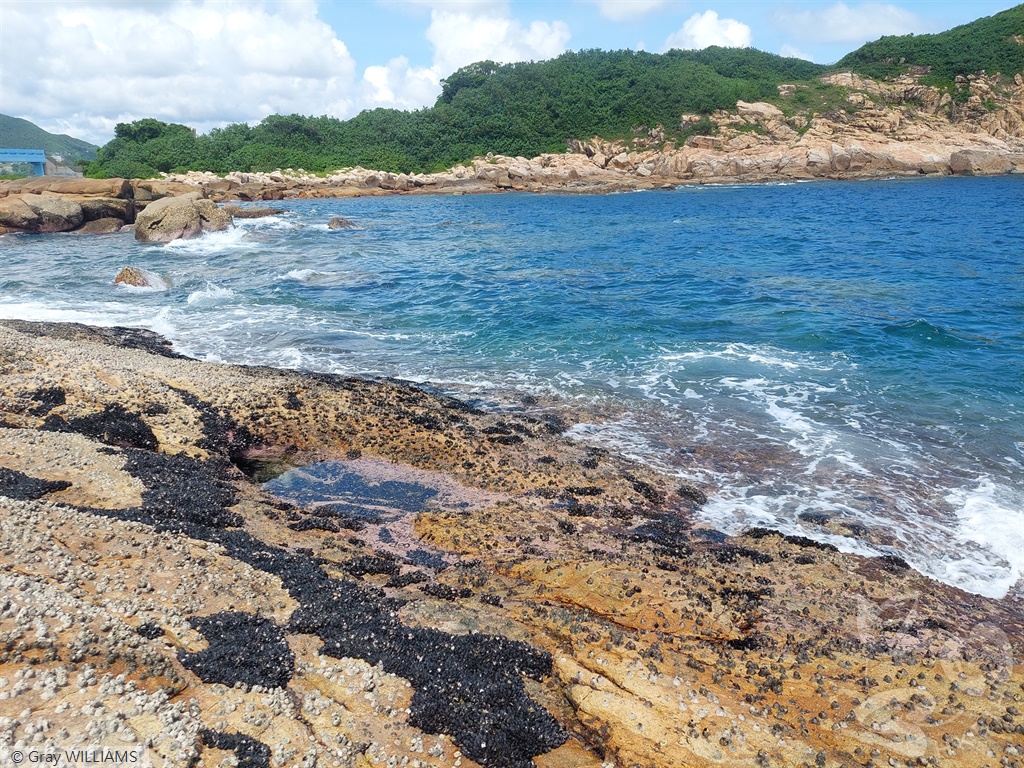
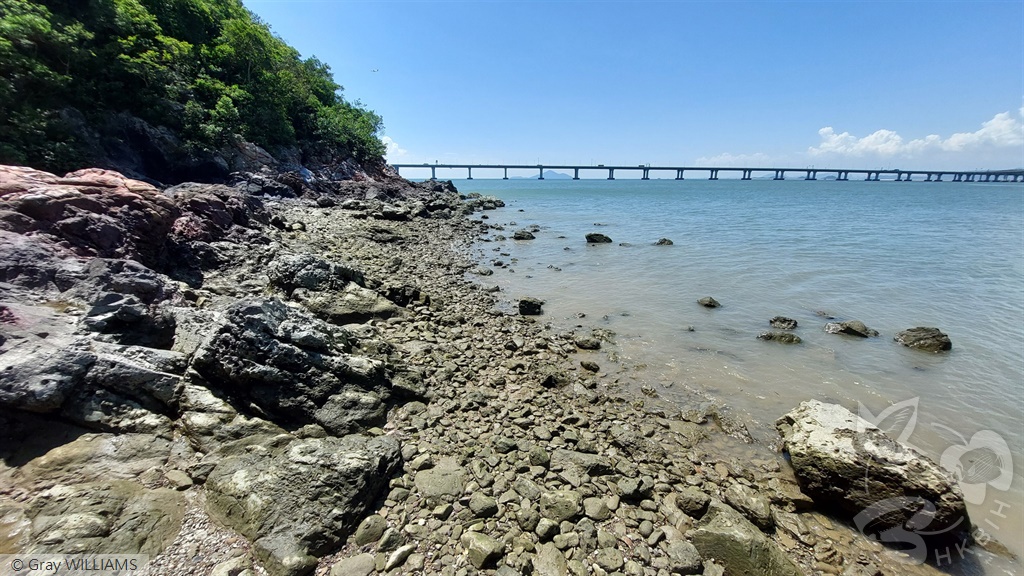
Rocky shore is the dominant natural coastal habitat of Hong Kong (~ 60% of the coastline), and yet there is no quantitative biodiversity database for this key intertidal habitat. Morton & Morton (1983) in their book The Seashore Ecology of Hong Kong gave an excellent, qualitative account of biodiversity on a variety of seashores in Hong Kong, listing out common and indicator species for sheltered, semi-exposed and exposed rocky shores.
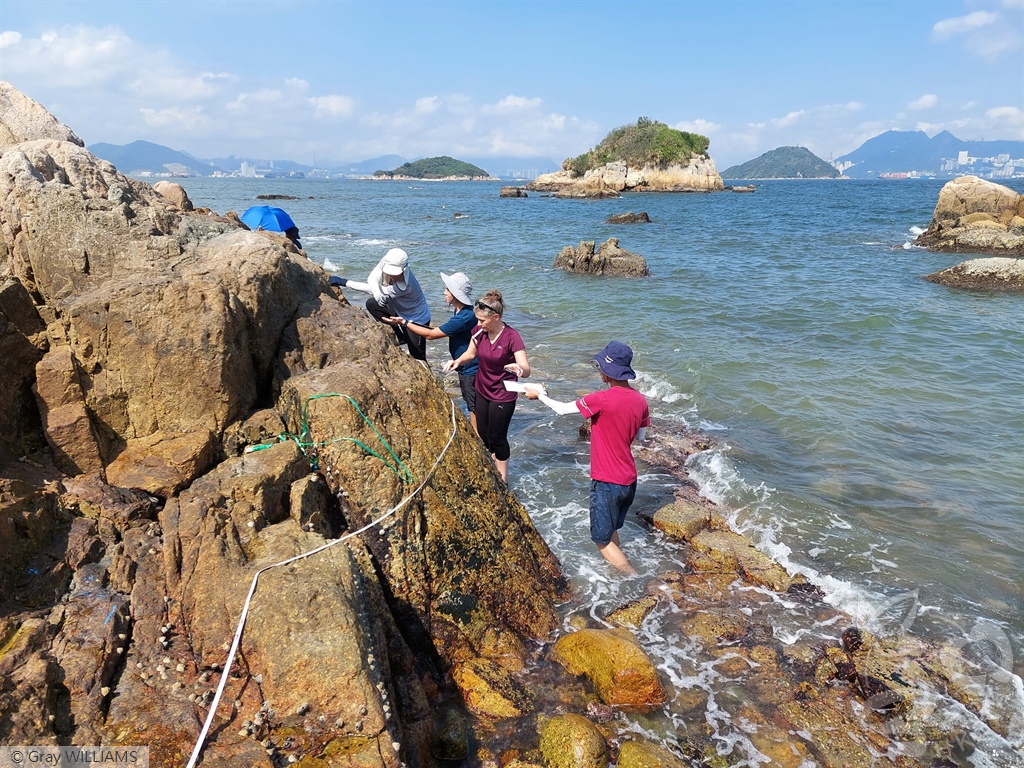
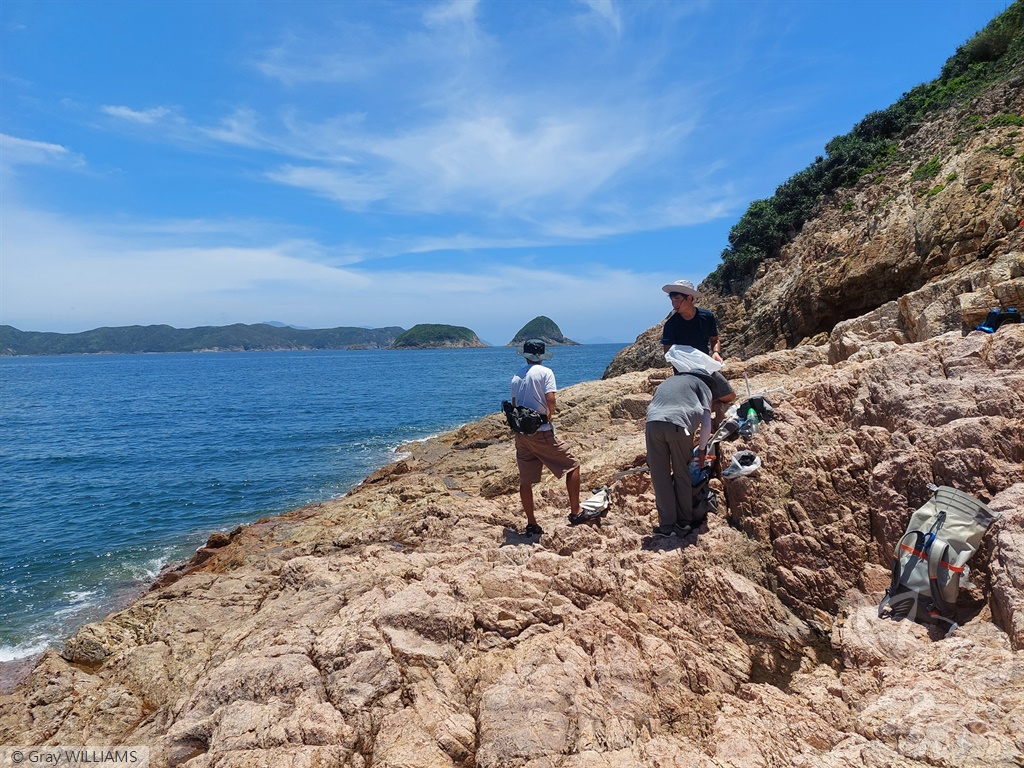
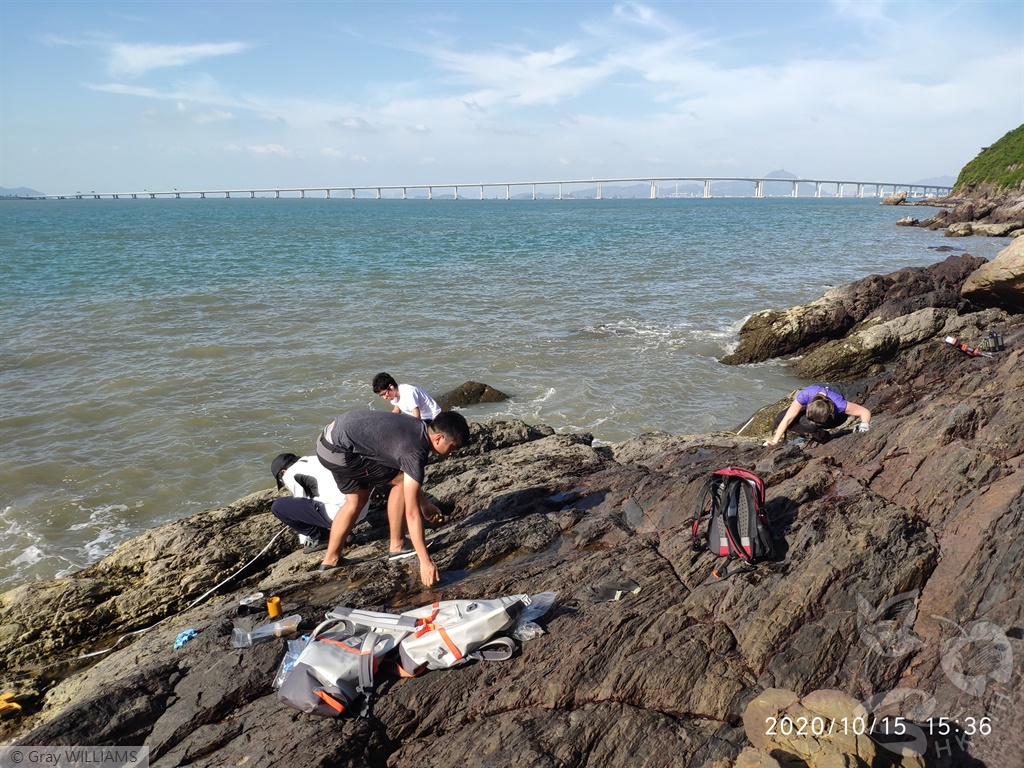
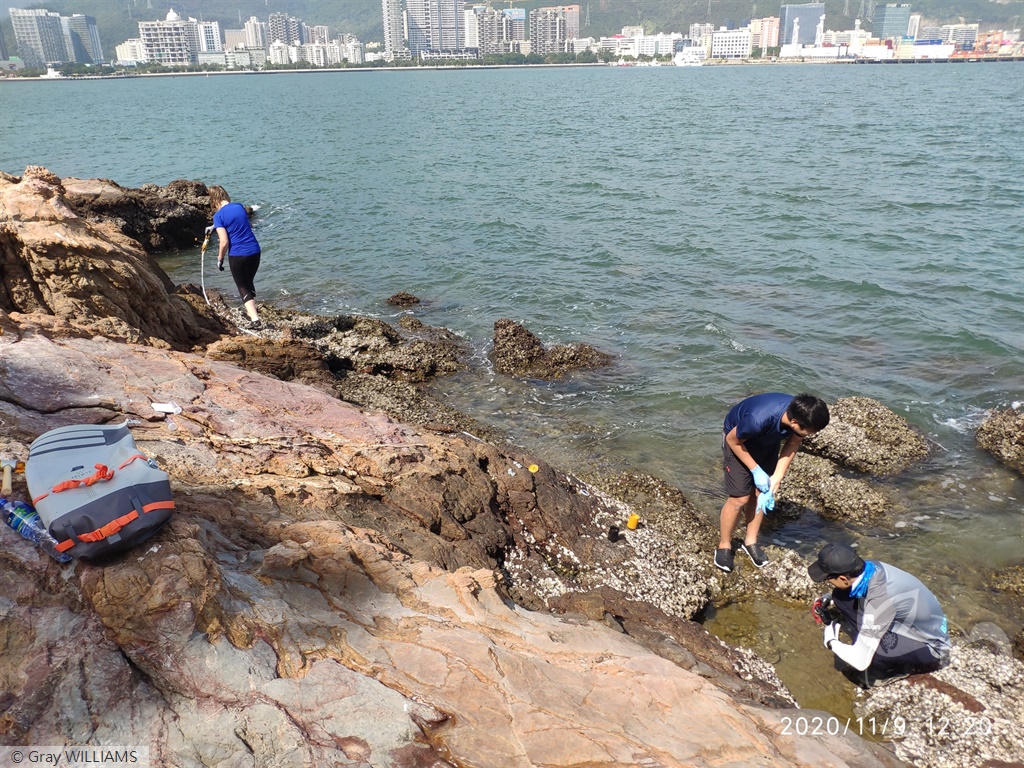
In this study, we built upon this previous knowledge and established a quantitative biodiversity database for Hong Kong's rocky shores across 24 sites with contrasting wave exposure and salinity conditions over the hot and cool seasons in two years. Biodiversity was surveyed quantitatively alongside key environmental variables including the amount of food, rock temperature, hardness/porosity, and wave force. We found that rocky shore assemblages in Hong Kong could be categorized into three "groups": the western group (north of Lantau) under the influence of the Pearl River; the oceanic group (southern and southeastern shores); and the Tolo group (assemblages within Tolo and other sheltered shores).
While species richness did not differ substantially between shores, species composition showed strong spatial and temporal variations, notably between the hot and cool seasons. This territory-wide survey also revealed northeastern shores, which are oceanic but sheltered within Mirs Bay, are biodiversity hotspots with up to 94 species found within a particular shore in that region. This information can be used to inform coastal conservation by prioritizing sites to be protected and also serves as a quantitative baseline to gauge future changes on Hong Kong's intertidal habitats.
In this study, we built upon this previous knowledge and established a quantitative biodiversity database for Hong Kong's rocky shores across 24 sites with contrasting wave exposure and salinity conditions over the hot and cool seasons in two years. Biodiversity was surveyed quantitatively alongside key environmental variables including the amount of food, rock temperature, hardness/porosity, and wave force. We found that rocky shore assemblages in Hong Kong could be categorized into three "groups": the western group (north of Lantau) under the influence of the Pearl River; the oceanic group (southern and southeastern shores); and the Tolo group (assemblages within Tolo and other sheltered shores).
While species richness did not differ substantially between shores, species composition showed strong spatial and temporal variations, notably between the hot and cool seasons. This territory-wide survey also revealed northeastern shores, which are oceanic but sheltered within Mirs Bay, are biodiversity hotspots with up to 94 species found within a particular shore in that region. This information can be used to inform coastal conservation by prioritizing sites to be protected and also serves as a quantitative baseline to gauge future changes on Hong Kong's intertidal habitats.
| Principal Investigator | Professor Gray A. WILLIAMS |
|---|---|
| Co-investigator | Dr. Juan Diego GAITÁN-ESPITIA |
| Affiliation | Swire Institute of Marine Science, The University of Hong Kong |
| Project period | 2020–2023 |
| Project website | https://hkrise.vercel.app/#/ |
| Funding Source | Environment and Conservation Fund |
Information Source: Professor Gray WILLIAMS