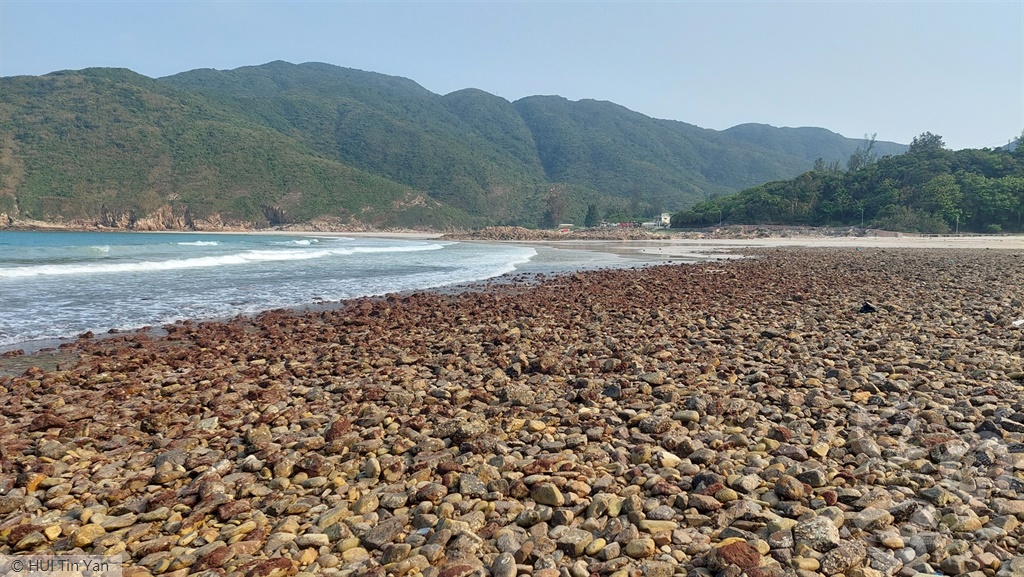
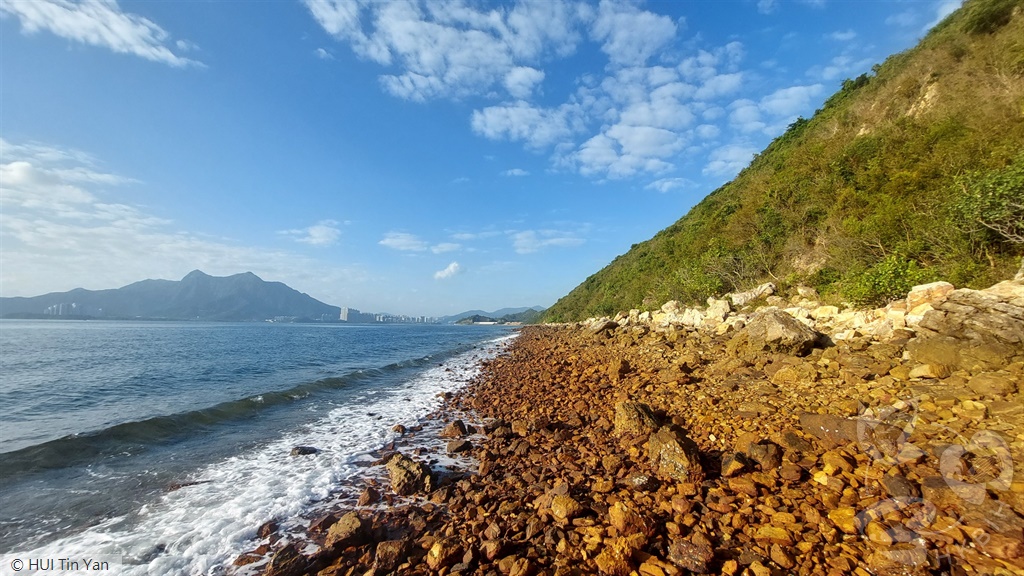
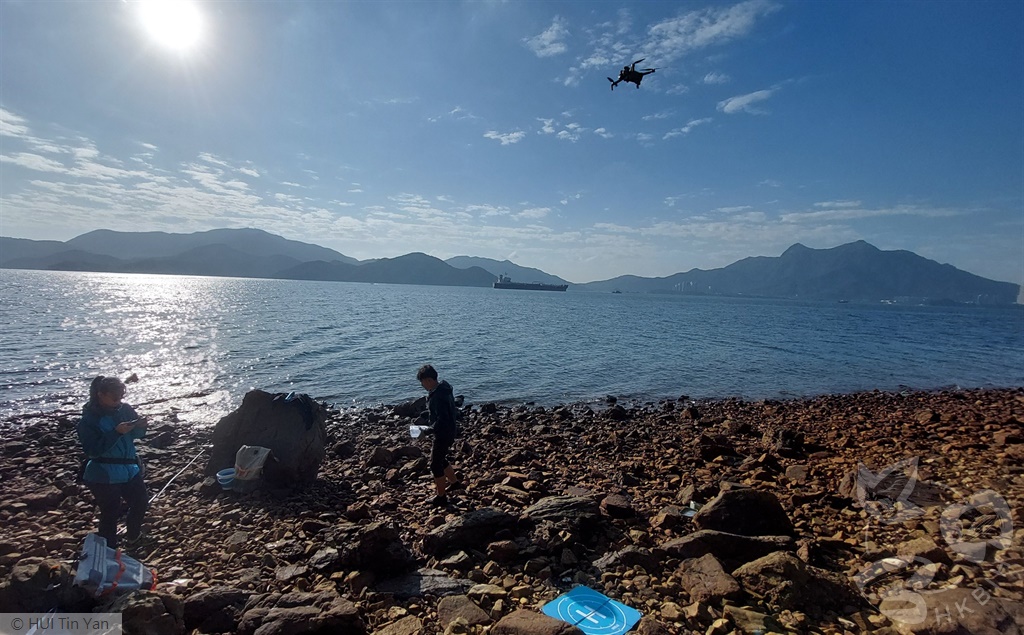
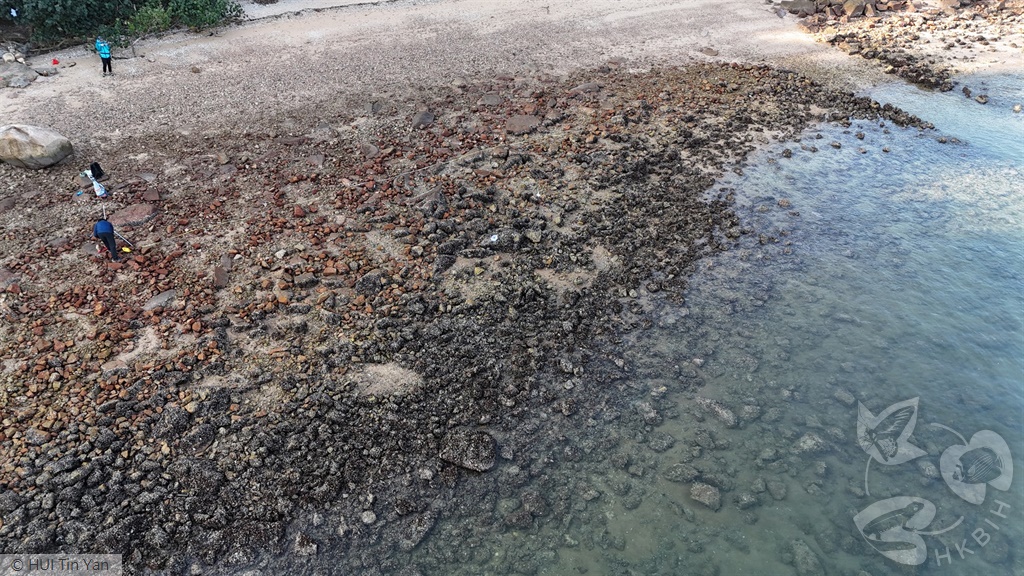
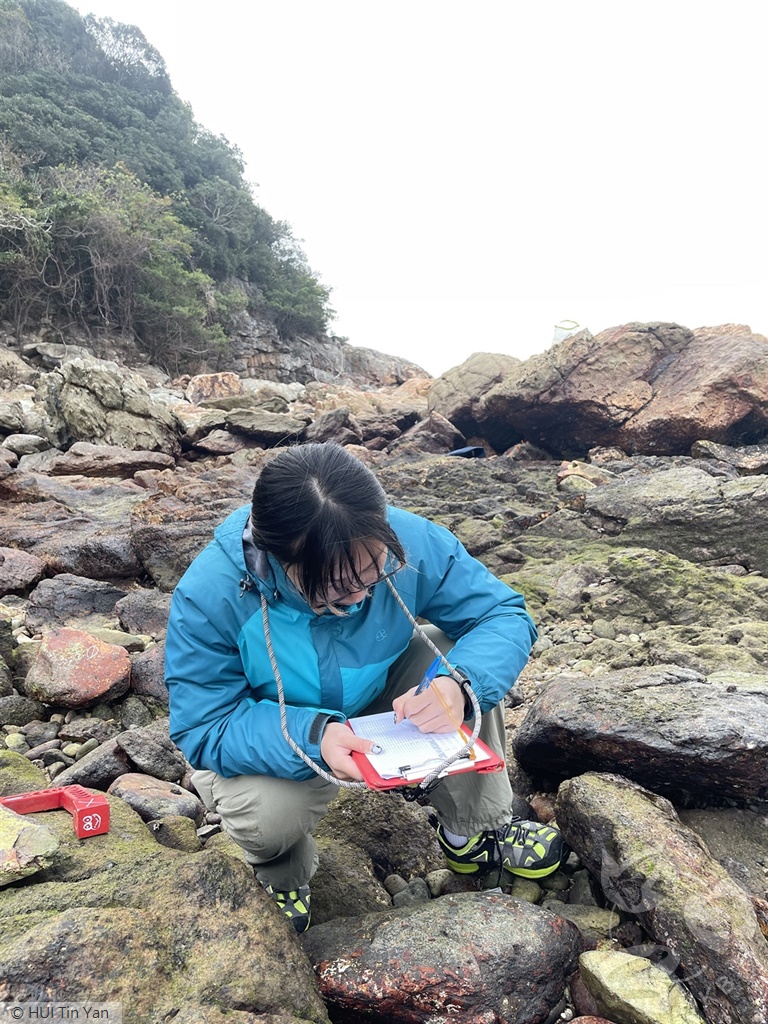
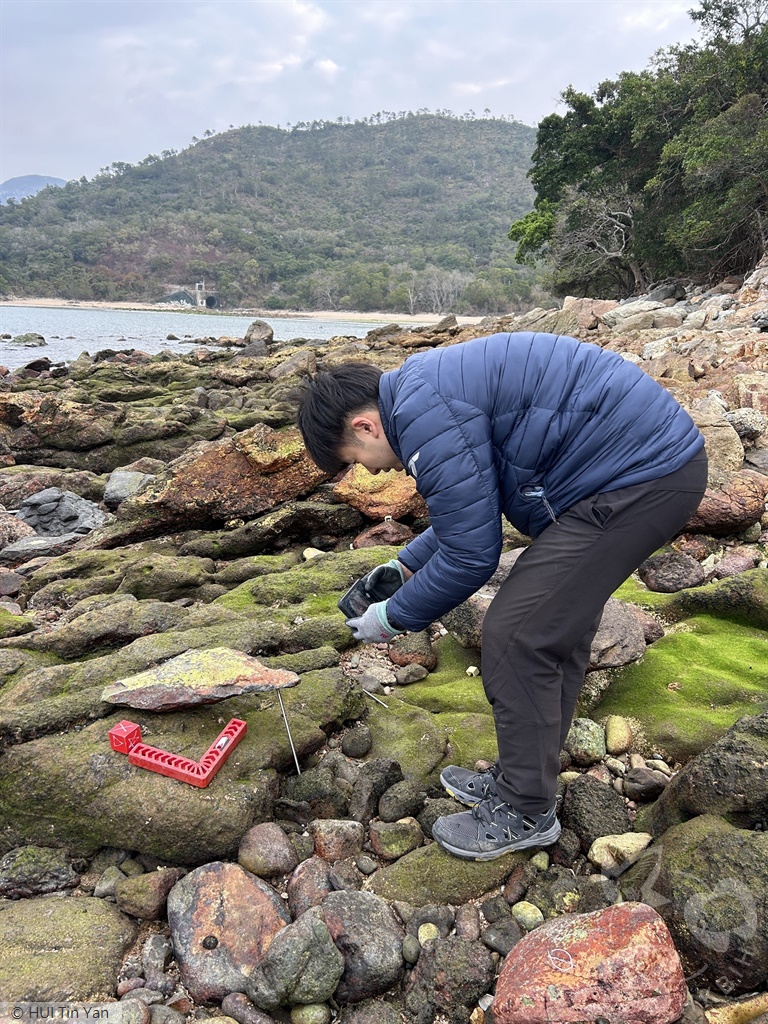
Intertidal boulder fields are a special type of hard-bottom habitat subject to physical disturbance by waves and having a unique set of species as compared to continuous bedrock shores. Little is known, however, of how these species assemblages are structured by the various physical factors experienced in this dynamic habitat. The study addresses this issue by investigating biodiversity patterns and their relationships with key physical factors across 18 boulder fields in Hong Kong during both hot and cool seasons for two years. Specifically, habitat availability (coverage of boulders, volume underneath boulders etc), thermal and desiccation stress, and disturbance frequency (i.e. when boulders are being moved) were quantified in tandem with species distribution patterns on and underneath boulders.
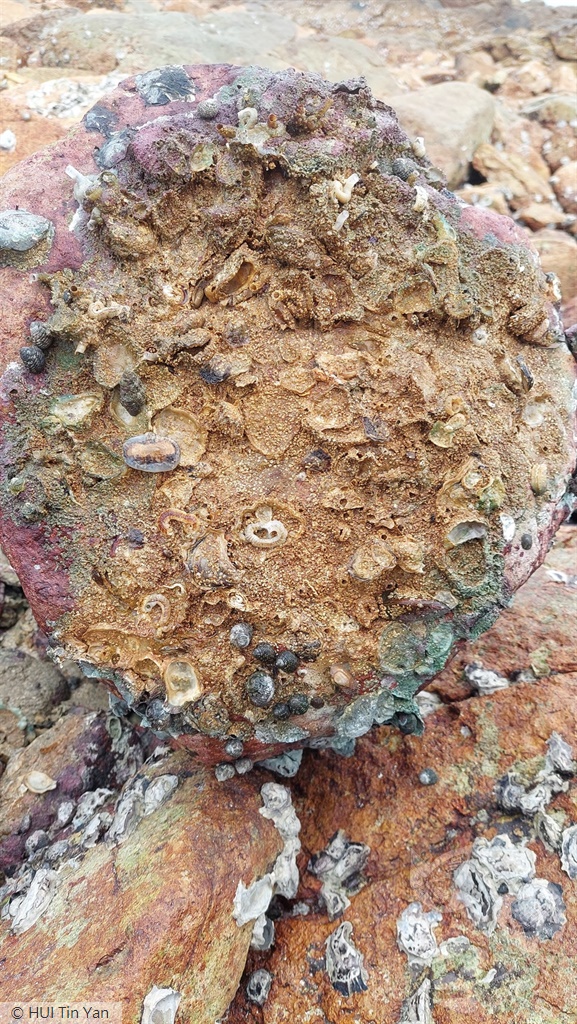
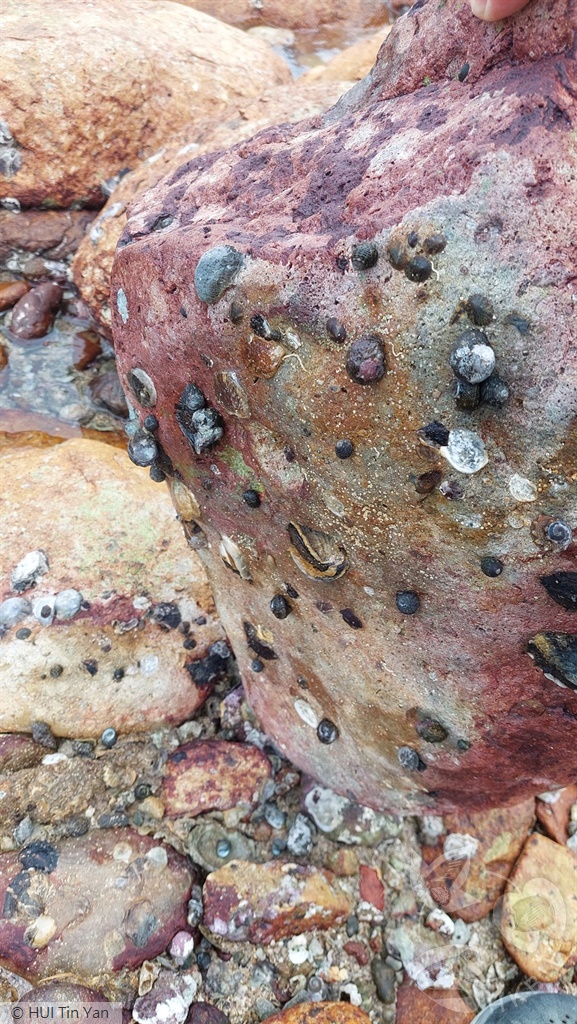
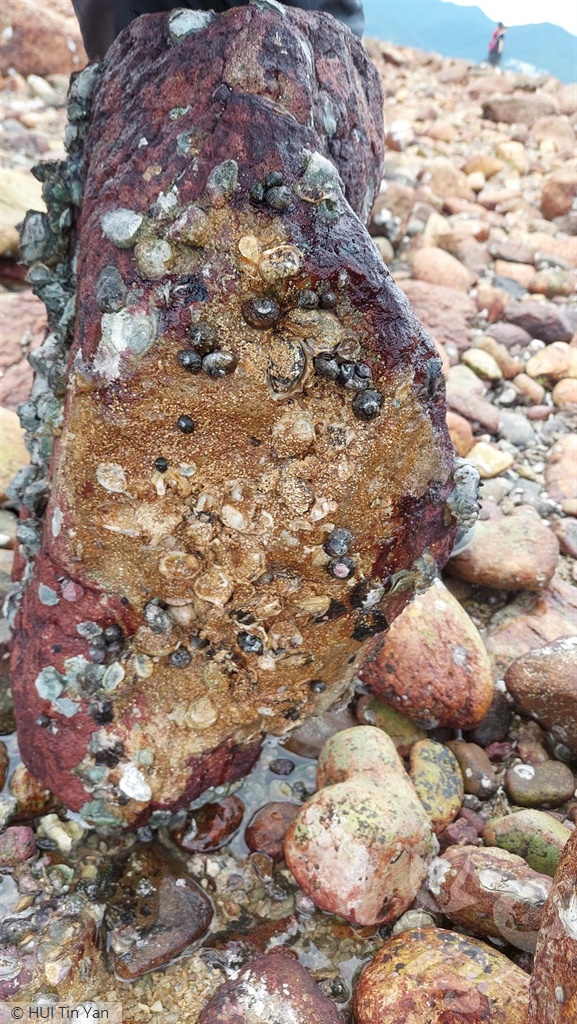
Preliminary results reveal distinctive assemblages between western and eastern coasts, as found for continuous bedrock shores, but also species-specific patterns at smaller scales for organisms on top vs underneath boulders (with some species predominantly found underneath but not on top of boulders). Strong spatial variation was also evident in terms of physical disturbance where some, but not all, shores were prone to impacts by typhoons. Boulders were moved, turned over, or completely removed from the shore particularly on sites in the south of Hong Kong island.
By integrating biodiversity patterns and physical variations, this project will catalogue species assemblages on Hong Kong's intertidal boulder fields and their changes with time. Such information will be useful not only as a biodiversity baseline, but also to predict shifts in coastal ecosystems under global change with the more extreme disturbance events (e.g. strong typhoons) anticipated in the future.
Preliminary results reveal distinctive assemblages between western and eastern coasts, as found for continuous bedrock shores, but also species-specific patterns at smaller scales for organisms on top vs underneath boulders (with some species predominantly found underneath but not on top of boulders). Strong spatial variation was also evident in terms of physical disturbance where some, but not all, shores were prone to impacts by typhoons. Boulders were moved, turned over, or completely removed from the shore particularly on sites in the south of Hong Kong island.
By integrating biodiversity patterns and physical variations, this project will catalogue species assemblages on Hong Kong's intertidal boulder fields and their changes with time. Such information will be useful not only as a biodiversity baseline, but also to predict shifts in coastal ecosystems under global change with the more extreme disturbance events (e.g. strong typhoons) anticipated in the future.
| Principal Investigator | Dr. HUI Tin Yan |
|---|---|
| Affiliation | Division of Science, Lingnan University |
| Period | 2024-2026 |
| Website | https://hkrise.vercel.app/#/ |
| Funding Source | Environment and Conservation Fund |
Information Source: Dr. HUI Tin Yan