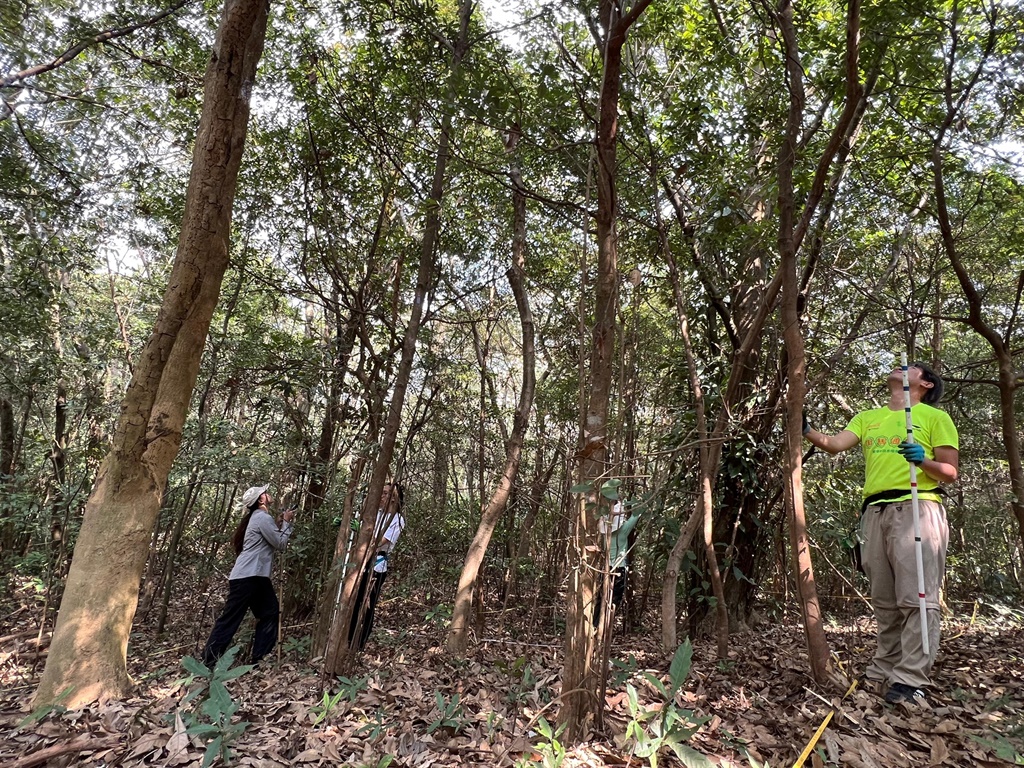
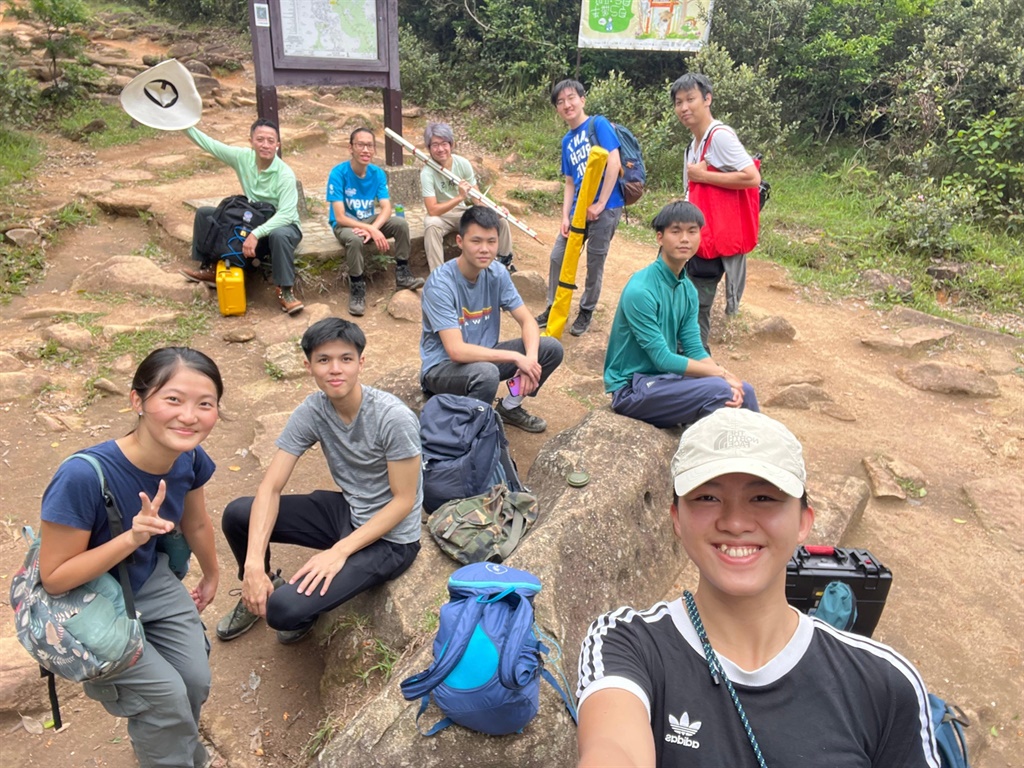
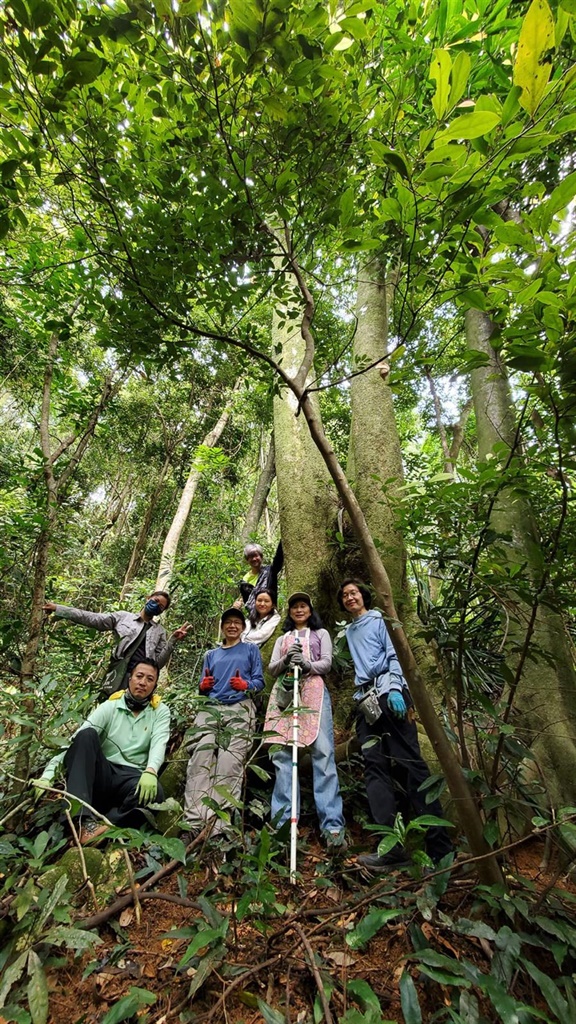
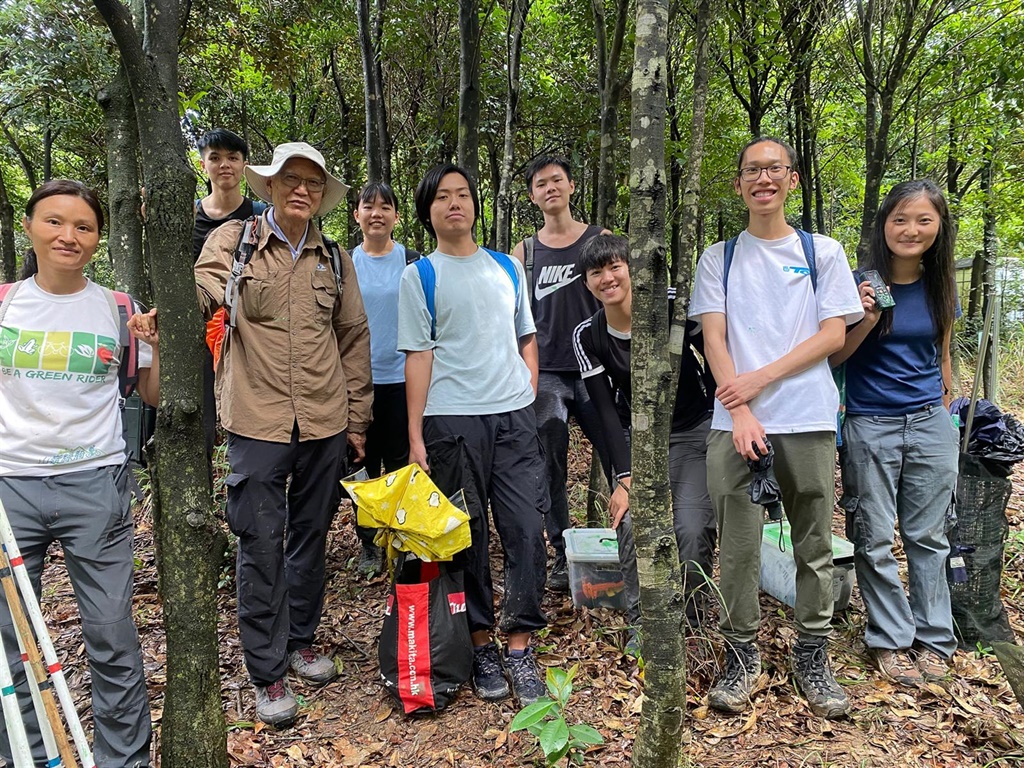
Amid the heated discussion surrounding climate change and carbon neutrality, what are the role and potential of Hong Kong's forests in removing carbon dioxide? In search of a clear and reliable answer, the research team of HKU and the Conservancy Association has spent the past three years visiting different types of forests to measure and record tree sizes, collecting first-hand data to measure the above-ground biomass (AGB) of different forest types in Hong Kong. AGB is commonly used as a surrogate for carbon storage in trees in scientific studies.
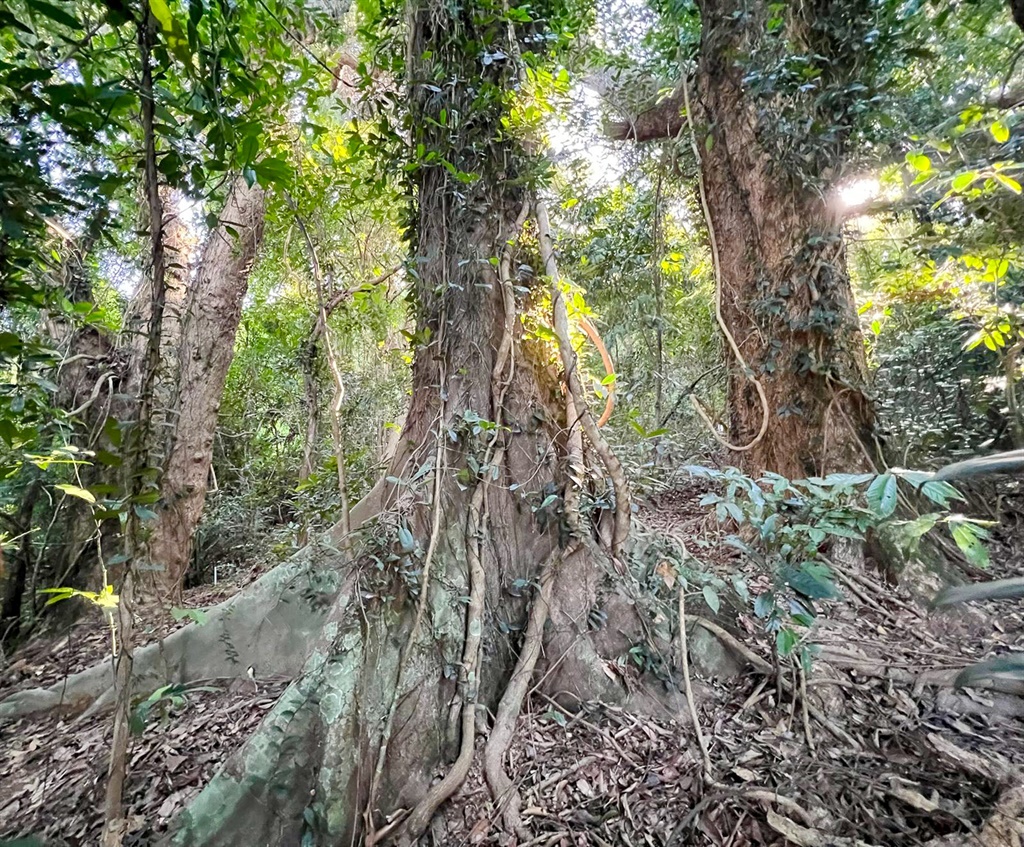
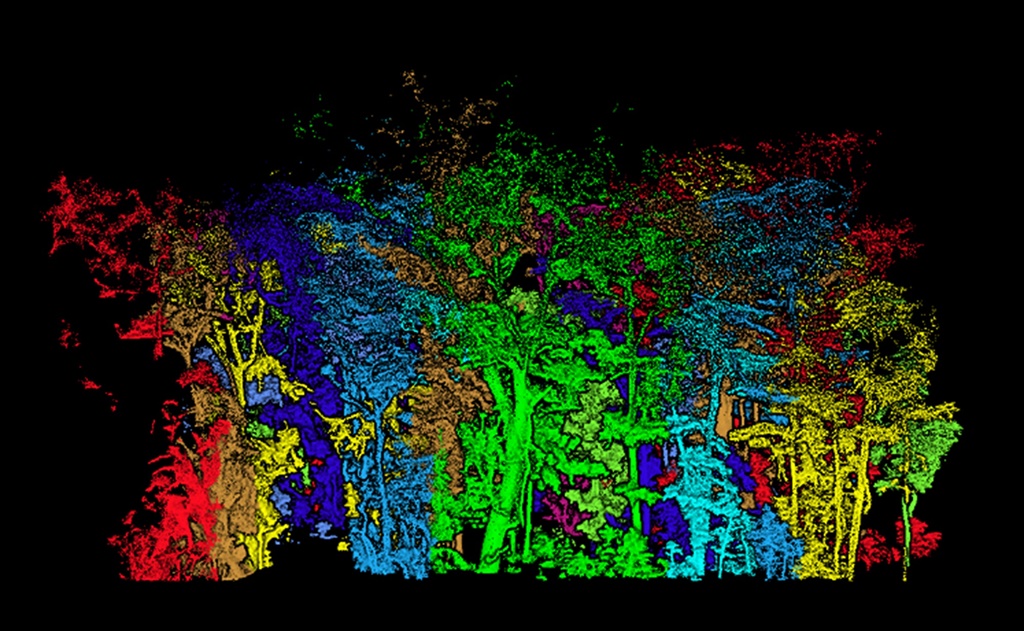
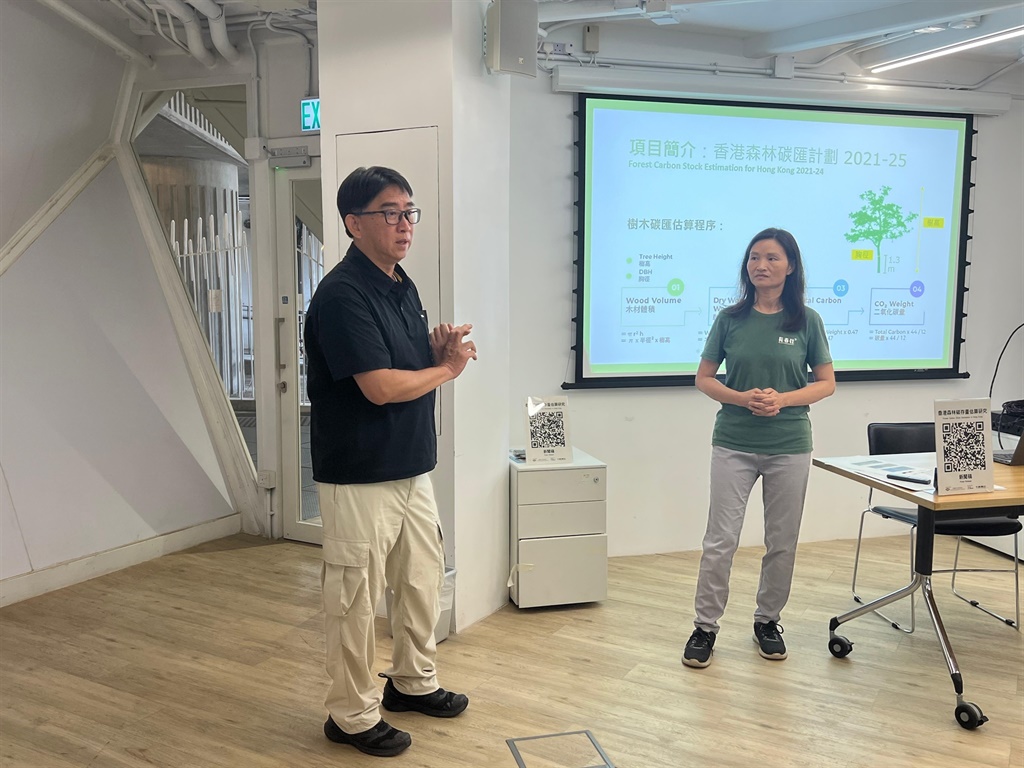
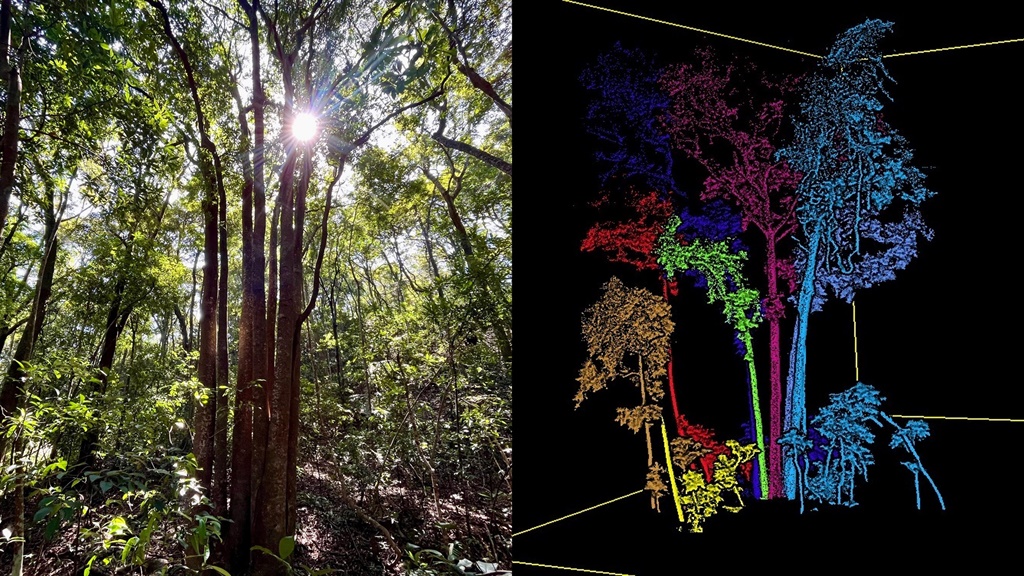
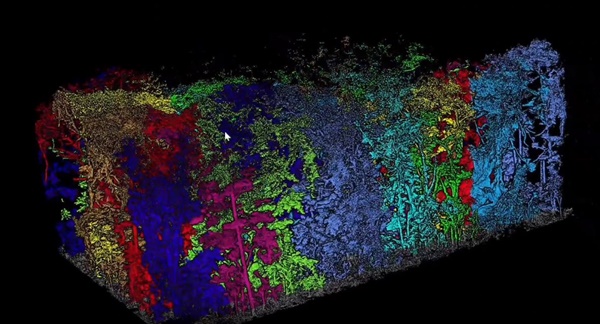
Jointly launched by the Conservancy Association and the School of Biological Sciences, The University of Hong Kong in September 2021, "Forest Carbon Stock Estimation in Hong Kong" is supported by The Hongkong Bank Foundation. The study team has finished surveying 90 forest plots, collecting data from close to 20,000 trees. The carbon storage of different vegetation types, including Fung Shui Woods, secondary forests, plantations and tall shrublands, were measured. The research found that old growth Fung Shui Woods store 346 tonnes of AGB per hectare, while secondary forests store 164 tonnes. Notably, the top 1% of large trees in both Fung Shui Woods and secondary forests account for up to 52% and 36% of the AGB stored, respectively, underscoring the substantial carbon sequestration potential of large trees compared to smaller ones. On top of traditional field measurements, we incorporated two remote sensing techniques in this study. The forest sampling sites were scanned using a handheld mobile light detection and ranging (LiDAR) device with a detection range of 120 m. The forest structures were reconstructed in the form of geo-referenced 3D point clouds for measurements of tree attributes and a better understanding of forest structures. The field data were used in a deep learning training model using aerial scan data from the Civil Engineering and Development Department 2020 and Sentinel-2 optical satellite data. By means of machine learning, the AGB across Hong Kong could be estimated to produce a carbon storage map across Hong Kong. A scientific paper was published in 2025 in "Remote Sensing" on this. (https://doi.org/10.3390/rs17081354).
Finally, the findings from this study are summarized in the book "Hong Kong native trees for urban biodiversity and carbon storage". This book provides a choice of 100 native tree species in which the carbon sequestration potential and biodiversity value are highlighted. The book also includes assessments of ornamental values, cultivation, and management requirements to fill the gaps between conservation and commercial applications.
The findings from this study will enhance urban forestry designs by integrating carbon sequestration and promoting urban biodiversity. These results are particularly relevant for new town developments such as in the Northern Metropolis, making them timely and valuable for sustainable urban planning initiatives.

| Principal Investigator | Dr. Billy Chi Hang HAU |
|---|---|
| Co-investigators | Mr. Jin WU, Mr. Ken Kwok Yin SO |
| Research Team | Ms. Tin Yan SIU, Ms. Ting Fung YIP, Dr. Ying Sim NG |
| Organisations | School of Biological Sciences, The University of Hong Kong, and The Conservancy Association |
| Period | 2021-2025 |
| Website | https://www.cahk.org.hk/en/work/forestcarbonstock/ |
| Funding Source | The Hongkong Bank Foundation |
Information Source: Dr. Billy Chi Hang HAU