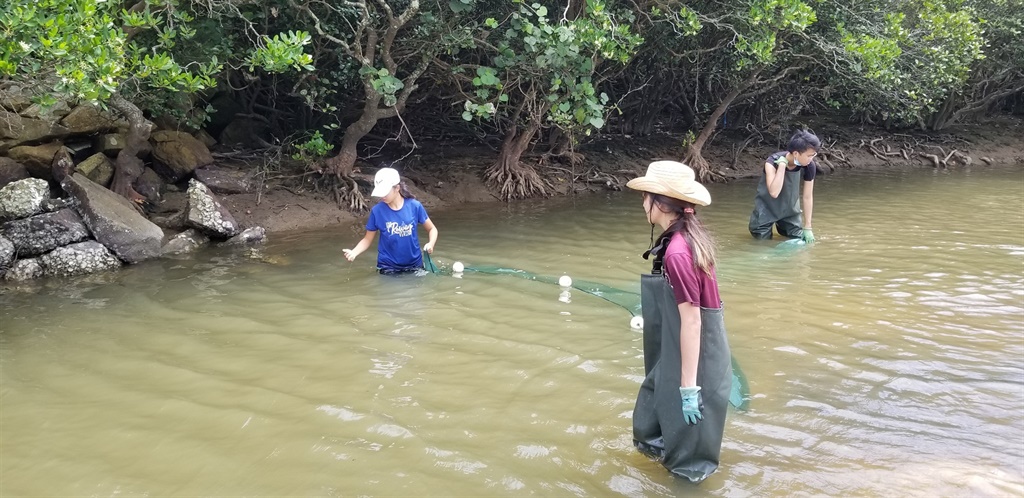
We conducted a study of the role small mangrove patches play as nursery sites for juvenile fish. The study comprised the following components: (1) use of small mangrove patches by juvenile fish; (2) developing a simple but effective method for constructing digital 3-dimensional models of mangrove structures that may underpin the nursery role; (3) conduct context-sensitive realistic experiments to evaluate the importance of mangrove structural complexity in protecting juvenile fish from their predators; and (4) develop an individual-based model in describing the use of mangrove structures by juvenile fish.
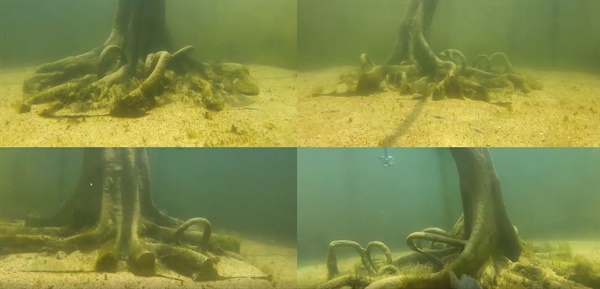
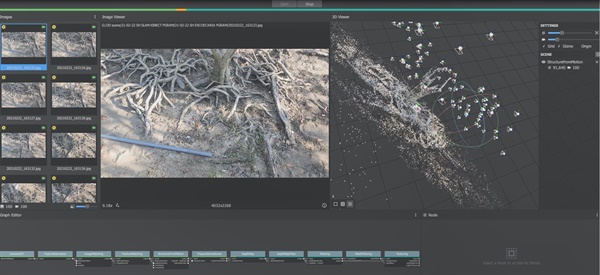
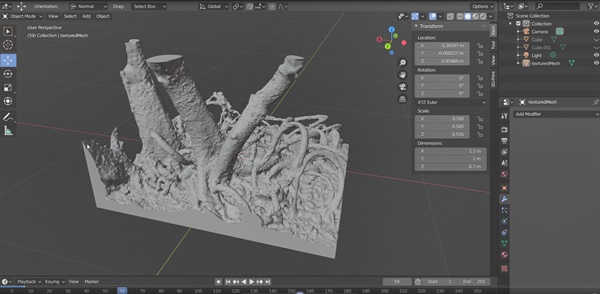
Underwater video surveys confirmed the use of the local small-scaled mangroves by a wide range of juvenile fish species. We evaluated the efficacy of three methods for scanning and constructing digital 3-D models of individual mangrove trees using three methods, namely, the Kinect RGB sensor, photogrammetry, and a laser scanner. Both the Kinect and photogrammetry were able to capture the structural complexity of the mangrove trees satisfactorily, with the latter approach most cost-effective in delivering the most realistic digital model.
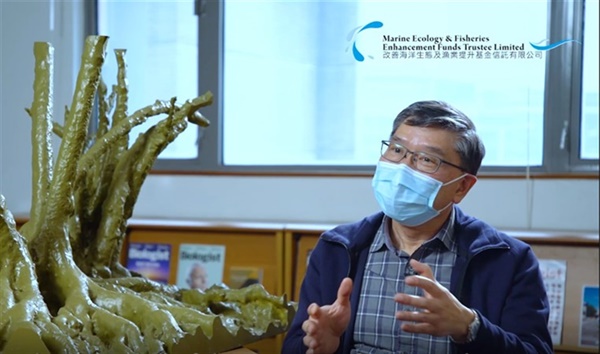
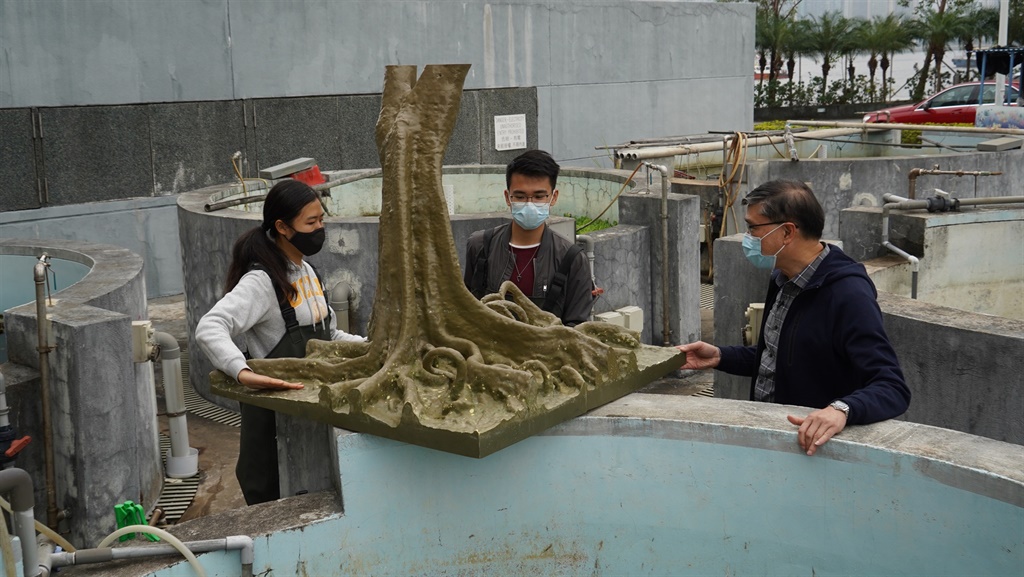
We selected three models for printing to produce life-size mangrove patches. The models have different levels of structural complexity and were used in mesocosm experiments for assessing the role of mangrove structure in the interaction between juvenile fish and their predators. Using two species of small fish and a predator common in local mangroves, the effects of water level, mangrove complexity, and fish species on the interaction were assessed using video-recorded experiments. Both fish species, water level, and complexity had a significant effect on mortality of the small fish.
| Principal Investigator | Professor LEE Shing Yip Joe |
|---|---|
| Affiliation | The Chinese University of Hong Kong |
| Co-investigators | Dr. Uwe GRUETTERS, Dr. Yisheng PENG |
| Period | 2019–2021 |
| Website | https://www.joesylee.org/meef-project/ |
| Funding Source | Marine Ecology Enhancement Fund |
Information Source: Professor LEE Shing Yip Joe
Remark: Any opinions, findings, conclusions or recommendations expressed in this article do not necessarily reflect the views of the Marine Ecology Enhancement Fund or the Trustee.